
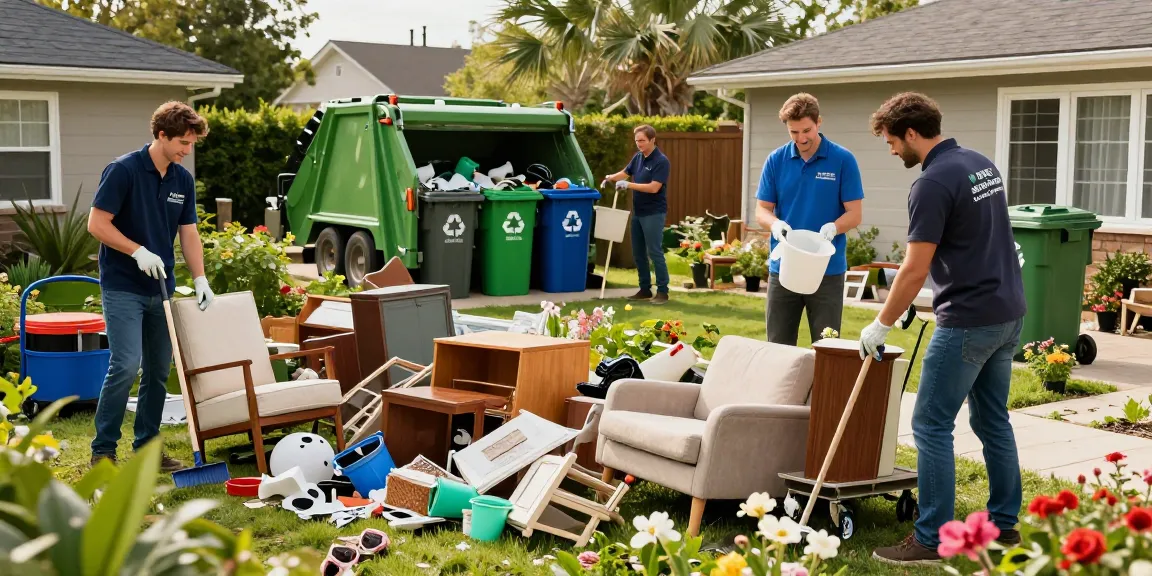
Understanding House Clearance: What You Need to Know
House clearance is more than just a service; it’s a vital component in maintaining a clutter-free environment. Whether you are a homeowner looking to reclaim space or a landlord preparing a property for new tenants, understanding the nuances of house clearance services can simplify your experience. This article will explore what house clearance entails, the importance of professional services, and the types of scenarios that often necessitate such services.
What is House Clearance?
House clearance refers to the process of removing items from a property. This can range from a few unwanted items to a full house clearance where all furnishings, appliances, and décor are disposed of responsibly. Often, this process is essential for those who are moving, renovating, or dealing with an estate after a loved one’s passing.
Importance of Professional House Clearance Services
Opting for professional house clearance services can make a significant difference in both efficiency and peace of mind. Not only do these professionals handle heavy lifting and logistics, but they also ensure that waste is disposed of in accordance with legal regulations, minimizing environmental impact. Moreover, hiring specialists alleviates the stress of sorting and removing items yourself.
Common Scenarios Requiring House Clearance
- Moving House: Relocating often necessitates a thorough declutter to ensure a smooth transition.
- Renovations: Construction work frequently produces debris that needs immediate clearance.
- Estate Clearance: After the passing of a loved one, families often require help to clear out belongings.
- Downsizing: When moving to a smaller home, it is crucial to dispose of unnecessary items.
Types of House Clearance Services Available
Full Home Clearance: A Complete Solution
Full home clearance is a comprehensive service encompassing the removal of all items from a property, including furniture, appliances, and general waste. This service is especially useful in situations where the property needs to be emptied entirely, such as during a sale or after an eviction.
Furniture and Appliance Disposal: Efficient and Eco-Friendly
Specialized disposal services are necessary for large items like furniture and appliances. Professional teams follow regulations for the disposal of these items, ensuring they are recycled or disposed of responsibly, reducing waste sent to landfills.
Garden Waste Clearance: Maintaining Your Outdoor Space
Many homeowners overlook their gardens when it comes to clearance. Garden waste can include soil, plants, branches, and old furniture. Professional services help maintain outdoor spaces, ensuring that waste is removed quickly and sustainably.
Choosing the Right House Clearance Company
Factors to Consider When Hiring a House Clearance Service
When selecting a house clearance company, consider their reputation, range of services, and environmental practices. Licensed and insured professionals ensure peace of mind, knowing your belongings will be treated legally and ethically.
Questions to Ask Your House Clearance Provider
It’s crucial to ask potential providers key questions, such as:
- Are you licensed and insured?
- What items do you not clear?
- What is your recycling policy?
- How quickly can you schedule the clearance?
Understanding Pricing Policies and Transparency
Transparent pricing helps avoid hidden fees. A reputable company will provide a detailed quote, explaining how costs are calculated based on volume, weight, and the type of items being cleared.
The Eco-Friendly Approach to House Clearance
Recycling and Donation Practices in House Clearance
A significant trend in house clearance is the focus on eco-friendly practices. Many companies prioritize recycling and donating usable items to local charities, helping to reduce overall waste and benefit communities.
Legal Responsibilities in Waste Disposal
There are strict regulations governing waste disposal. Professional clearance companies will ensure compliance through proper treatment and disposal, protecting you from potential fines.
Community Contributions: Benefits of Donating Usable Items
Donating items not only helps declutter but also supports local charities. This practice fosters community ties and ensures that usable items do not end up in landfills.
Preparing for Your House Clearance
Steps to Take Before the Clearance Day
If you’re planning a house clearance, preparation can streamline the process. Begin by creating an inventory of items to be removed and categorizing them into keep, donate, and dispose.
How to Sort and Organize Items for Removal
Sorting items can be a daunting task. Consider enlisting friends or family to assist, or take it one room at a time. Utilize bins or boxes to categorize items effectively.
Post-Clearance: Maintaining a Clutter-Free Space
After a house clearance, implement strategies to maintain a clutter-free environment. Regular decluttering sessions and mindful purchasing habits can prevent future buildup.
What is involved in a typical house clearance process?
A typical house clearance process involves scheduling a consultation, assessing the property, providing a detailed quote, and finally executing the clearance. It’s important to have clear communication throughout each step.
How much does house clearance cost on average?
The average cost of house clearance can vary based on the amount of waste, type of items, and geographical location. Generally, prices start from a few hundred pounds for smaller clearances, escalating for larger jobs.
Are there any items that house clearance services cannot take?
Most clearance companies avoid hazardous materials, including chemicals, asbestos, and certain electronic waste. It’s advisable to check with your provider about specific exclusions.
How can I ensure my house clearance is environmentally friendly?
To ensure an eco-friendly house clearance, choose companies that emphasize recycling and donations. Ask about their specific practices and how they handle waste responsibly.
What should I do with valuable items during clearance?
Before clearance, take stock of valuable items. Consider keeping them in a designated area or consulting with the clearance service about how they will handle such items to avoid unintentional loss.